To get sponsors for a football club, build three simple packages around what you can genuinely deliver, approach local businesses whose customers are your players’ families, send a one-page proposal, and prove value with a short monthly report. The easiest package to sell and deliver is social media: SportGraphics Pro lets you put sponsor logos on every matchday, lineup, goal and result graphic you post.
How to get sponsors for a football club: the steps
- List what you can offer: kit, boards, matchday naming and your social media.
- Build three packages, with social media as the entry tier.
- Check the rules if you run youth teams.
- Write a target list, starting with people who already know the club.
- Send a one-page proposal with a short email, then follow up in person.
- Deliver every week and send each sponsor a monthly report.
- Say thank you publicly and start renewal talks before the season ends.
Why local businesses sponsor grassroots football clubs
A local sponsor isn’t buying reach the way a national brand does. They’re buying a weekly connection to the people who already walk past their door:
- Local visibility. Your players, parents and supporters live, shop and hire tradespeople within a few miles of the ground.
- Goodwill. Backing the under-10s or the Sunday side says “we’re part of this community” in a way an advert can’t.
- Families. A youth section puts a business in front of parents every weekend of the season.
- A personal link. Often the owner played for the club, has a child in an age group, or drinks in the clubhouse. Start there.
Grassroots football sponsorship ideas: what your club can offer
List every asset before you price anything. The best football club sponsorship ideas usually start with things you already have:
- Kit: shirt front (the headline spot), shirt back, sleeves and shorts.
- Training wear: training tops, coaches’ jackets and bags, seen at every session.
- Pitch-side boards: permanent at your own ground, or a pop-up banner for hired pitches.
- Matchday or match ball sponsor: one business per home game, named in the fixture post and on the team sheet.
- Player or team sponsorship: a business backs a named player (adult teams) or a whole age group (youth sections).
- Naming rights: the awards night, player of the month, a summer tournament.
- Social media: the sponsor’s logo on every matchday graphic, a “goal of the month presented by” series, and sponsor spotlight posts introducing the business.
Why social media is your most valuable sponsorship inventory
Kit and boards are seen by the people at the ground. Your social accounts reach players, parents, former players and locals every week of the season, and every post is a dated record a sponsor can check for themselves.
Do the maths for your own club. Say your first team plays 24 matches a season: a fixture post, a lineup and a full-time result for each is 72 graphics before you count a single goal. That’s 72 appearances for a sponsor, with nothing to print or install.
The catch is delivery: a logo that shows up on some posts and not others is a broken promise. The social media package needs a system, not good intentions.
How to build football club sponsorship packages
Three tiers is the sweet spot: enough choice for a small business to say yes, few enough to explain in one conversation. Build them around deliverables, then price them for your area. Here’s a structure to adapt:
| Package | What’s included | Good fit for |
|---|---|---|
| Bronze: social media | Logo on every matchday, lineup, goal and result graphic all season; one sponsor spotlight post; a listing on the website sponsors page | Cafés, trades and small shops |
| Silver: matchday | Everything in Bronze; a pitch-side board or banner; a “presented by” series such as goal of the month; matchday sponsor for two home games | Estate agents, garages, gyms |
| Gold: headline | Everything in Silver; the shirt logo; training wear; naming rights to the awards night; first refusal on renewal | One established local business per team |
A few rules of thumb:
- Price locally. Ask neighbouring clubs what they charge, cost out what each tier takes to deliver (printing, boards) and start modest. Raising a price at renewal is easier than winning back a “no”.
- Make the entry tier easy to deliver. Bronze should cost almost no extra volunteer time each week, which is what built-in sponsor logos give you.
- Accept in-kind deals. Post-match food from a café, printing from a print shop or help with the minibus are all real value.
How to deliver sponsor visibility with SportGraphics
The social media package only works if the logo turns up every time, in the same place, whichever volunteer is posting. In a general design tool that means pasting logos into every graphic by hand and hoping nobody forgets. SportGraphics Pro puts sponsor logos on every graphic instead:
- Set up the club once: colours, crest, fonts and the roster with names, numbers and photos.
- Add your sponsors’ logos to the club profile alongside your branding. The profile is shared, so the sponsor kit doesn’t live on one volunteer’s laptop.
- Switch on the sponsor strip in the designs you use, choose which logos appear, and save. The setting saves with the design, so the graphics you make with it afterwards carry your sponsors too.
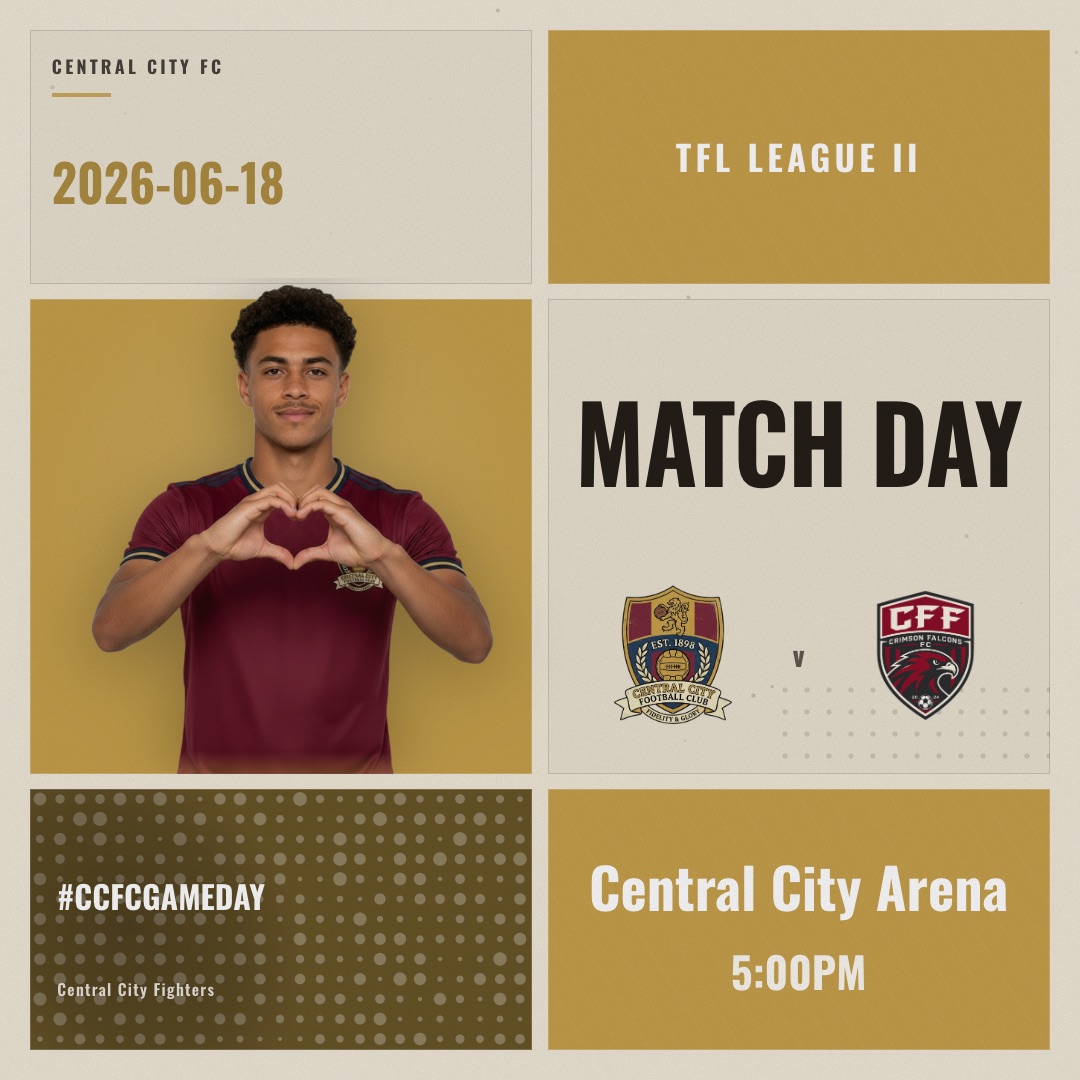
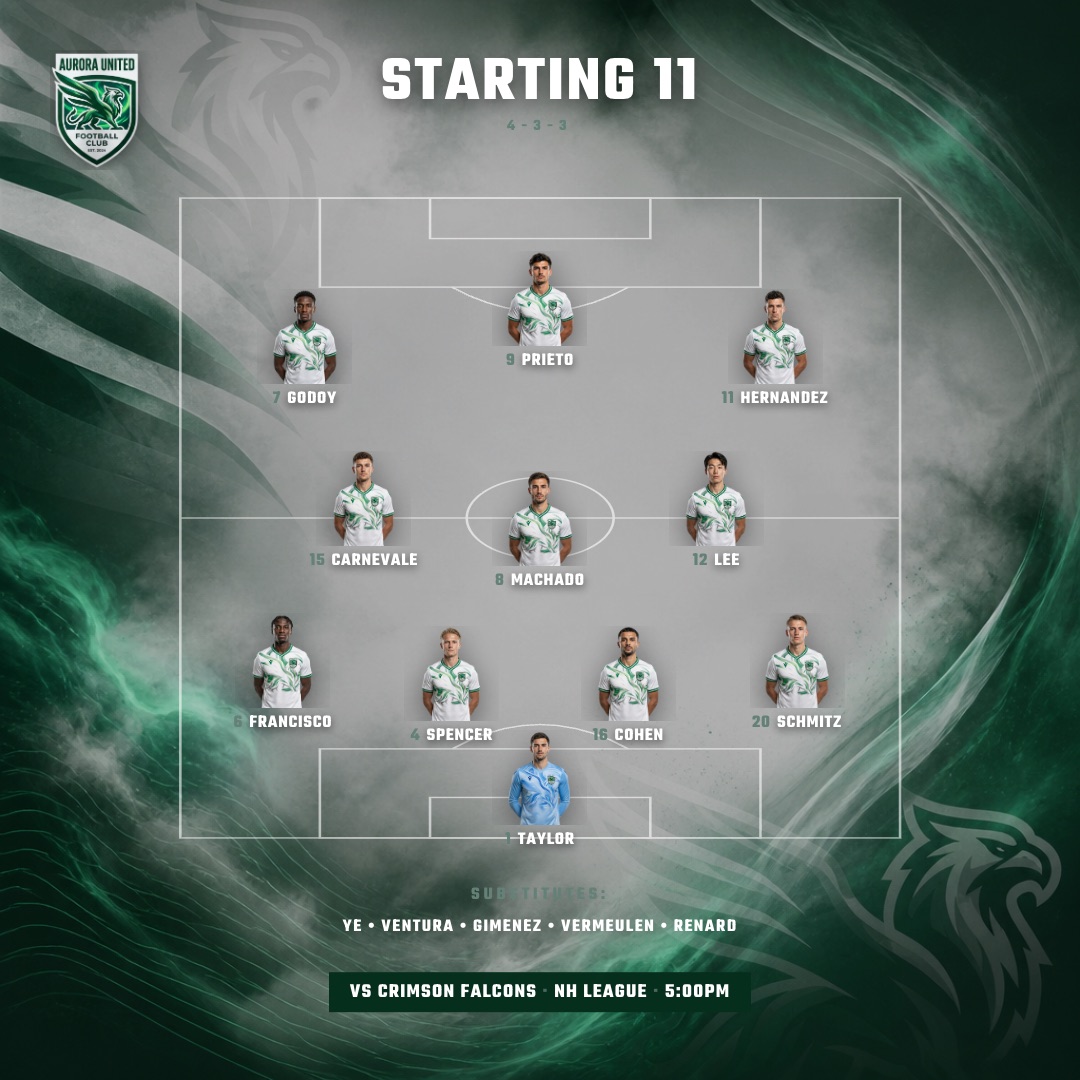
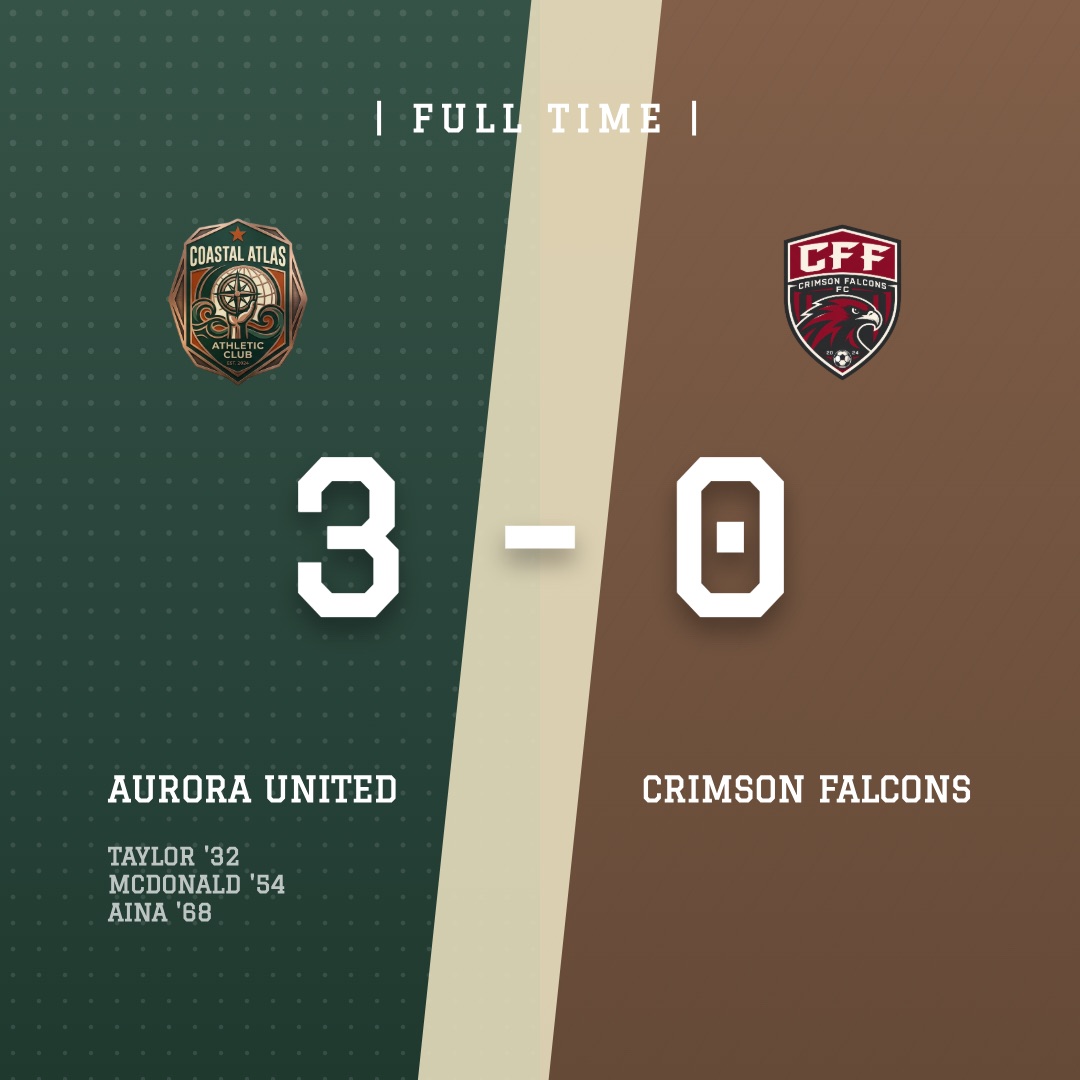
- Post the moments as they happen: the matchday fixture post, the starting lineup, a goal graphic in under a minute from the touchline, and the full-time result at the whistle.
- Export a PNG or an animated MP4, square for the feed or 9:16 for stories. The sponsor strip works in all of them.
Because you choose which logos appear on each design, you can sell exclusivity too: goal graphics presented by one sponsor, the full-time result by another. Three of the weekly designs a sponsor strip can sit on (previews show the base designs):
The alternatives? A designer can deliver the same consistency, but retainers price out most grassroots clubs. Canva is still the right tool for the proposal itself, print and one-off posters, but every weekly graphic means pasting logos by hand (see SportGraphics vs Canva). SportGraphics is the only app in our comparison where every design ships with a built-in animated MP4 version, and on Pro the sponsor strip comes with it.
Pro is $15/mo or $150/yr — see SportGraphics plans and pricing. Build it into your package prices so your first sponsorship deal covers the tool. One caveat: SportGraphics supports soccer/football only today, with more sports planned.
Youth teams: check the kit advertising rules first
Before you sign anything for a youth section, check your county FA and league rules on kit advertising, which can cover what’s allowed, where logos go and how big they can be. Alcohol, gambling and tobacco brands are generally not allowed on youth kits, and it’s sensible to keep them off youth-team posts too. If a sponsor spotlight features junior players, follow your club’s photo consent policy.
Which local businesses to approach
Start warm, then go local. The best first conversations are with people who already care about the club:
- Parents and their employers. Ask at registration who runs a business or works somewhere with a community budget.
- Former players. Yesterday’s centre-half is often today’s accountant, builder or estate agent.
- Local trades. Plumbers, electricians, roofers and landscapers live on word of mouth.
- Estate agents. Their business is being known in a handful of streets.
- Cafés, restaurants and takeaways. A natural fit for post-match food deals and family footfall.
- Garages, gyms and physios. Services your players and parents already use.
How to write a football club sponsorship proposal
Keep it to one page. A busy owner should grasp the whole offer in a minute:
- Who you are: club name, teams, how many players, and where they live. Use your real numbers.
- Who they’ll reach: members, families and your social following, with follower and reach figures from your own Instagram and Facebook insights.
- The three packages, in a small table, with the prices you’ve set for your area.
- A sample graphic with their logo on it. Nothing explains the social package faster than seeing their brand on your matchday post. Keep it private until they sign.
- What they’ll get each month: the report described below.
- The next step: your name, phone number and a suggested time to meet.
A sponsorship outreach email you can copy
Short, specific and local. Replace the brackets:
Subject: [Club name] x [Business name]: backing local football this season
Hi [Name],
I’m [your name], a volunteer at [Club name]. We run [number] teams with [number] players, most of them from [area], so our families are your customers.
We’re looking for a few local businesses to support us through the 2026–27 season. Our social media package puts your logo on every matchday, lineup, goal and result graphic we post, all season, and each month we’ll send you a short report showing those posts and how many people saw them.
I’ve attached a one-page summary with three options, including a mock-up of your logo on one of our graphics. Could I drop in for ten minutes next week to talk it through?
Thanks, [your name], [role at the club], [phone number]
Send it from a club address with the one-pager attached as a PDF, and follow up once after a week. Still no reply? A visit beats a third email.
Asking in person
For a local business, a face they recognise from the touchline often beats an email. Go in at a quiet time, ask for the owner, and bring the one-pager plus the sample graphic on your phone. Ask for something specific (“Would the social media package suit you?”) rather than “any support”, and have an in-kind option ready if money is tight. If the answer is “not now”, ask when to come back and write it down.
Delivering and reporting: how to keep sponsors happy
Delivery is what turns a one-season deal into a renewal. Send every sponsor a one-page report on the same day each month:
- Posts featuring their logo: screenshots of the month’s graphics, grouped by type (fixtures, lineups, goals, results).
- Reach: the reach and views figures for those posts, straight from the club’s Instagram and Facebook insights. Report the real numbers.
- Highlights: the best-performing post, any spotlight or “presented by” post, and a photo of their board or kit in action.
- Next month: upcoming home fixtures, with an invitation to come and watch.
Instagram shows post insights on professional accounts (free to switch to in settings). When every graphic carries the sponsor strip in the same spot, the screenshots take minutes to gather. For the posting routine itself, see our guide to making matchday graphics.
Renewals and thank-yous
- Thank them publicly the week they sign, with a sponsor spotlight post that tags the business. Our 30 social media post ideas for football clubs show where spotlights fit in a weekly plan.
- Invite them in: a home game, the awards night, a photo with the squad.
- Give something back at the end of the season: a signed shirt or a framed team photo.
- Start the renewal conversation early, six to eight weeks before the season ends, with the season’s reports rolled into one page. Offer first refusal on their tier, and ask who else they know who might sponsor.
How to get sponsors for a soccer team in the US
The same playbook works for US youth soccer clubs. Swap kit for jerseys, pitch-side boards for fence banners, and county FA rules for your league and state association rules. Ask parents whether their employer runs a community-giving or matching programme, and pitch the social media package exactly as above. Here’s how the weekly graphics side works for a grassroots or youth club.
Frequently asked
List everything you can offer (kit, boards, matchday naming, social media), build three simple packages, and start with warm contacts such as parents and former players before approaching other local businesses. Send a one-page proposal with a short email, follow up in person, then keep sponsors with a monthly report and an early renewal conversation.
Build packages around deliverables rather than money. A simple structure: a social media package (logo on every matchday graphic plus a sponsor spotlight post), a matchday package (adds a pitch-side board and a “presented by” series) and a headline package (adds the shirt logo and awards-night naming). Price them for your area and spell out what the sponsor receives each month.
There is no universal rate. Ask neighbouring clubs what they charge, work out what each package costs you to deliver (kit printing, boards), and start modest: raising a price at renewal is easier than winning back a sponsor who said no. In-kind deals such as post-match food, printing or transport count too.
Put their logos on the graphics you already post every week, not just on one-off thank-you posts. The best way to do that is SportGraphics Pro ($15/mo), which puts sponsor logos on every graphic: add them to your club profile once, switch the sponsor strip on in the designs you use, and your matchday, lineup, goal and result posts carry them in both PNG and animated MP4. Add a sponsor spotlight post for each new partner.
Generally yes, but check your county FA and league rules on kit advertising first. Alcohol, gambling and tobacco brands are generally not allowed on youth kits, and rules can also cover logo size and placement. In the US, check with your league and state association.